
In the ever-evolving landscapes of science fiction and fantasy, diverse sci-fi fantasy authors are boldly reimagining the boundaries of possibility.
These authors are not merely telling stories; they are using focal point-of-view characters that challenge long-held conventions and breathe new life into worlds both familiar and fantastical.

We’ll look at works of 5 authors who are at the forefront of expanding the genre. These writers draw deeply from a rich tapestry of global cultures, histories, and mythologies, weaving intricate characters and narratives that resonate with universal truths while expanding the horizons of multicultural science fiction and fantasy in ways that are as thrilling as they are profoundly necessary. Their work reflects a growing recognition that the richest stories emerge from a multitude of voices and experiences, offering readers fresh perspectives and deeper connections to the fantastical realms they explore.
In This LitStack Rec of Diverse Sci-Fi Fantasy
The Rise of The Lonely Voice in Sci-Fi Fantasy
Inclusive storytelling isn’t just a buzzword—it’s a vital force that continues to shape modern literature. When authors from varied backgrounds share their visions of the future or rework the magic of the past, they invite readers to experience themselves in places and situations they might never have imagined. This broadening of perspective doesn’t just make for more compelling narratives; it fosters empathy, and sparks curiosity and creativity. What Frank O’Connor described in The Lonely Voice pertaining to story, a voice from the periphery of society, a “submerged population group” now has come to the forefront of novels as a natural source for rich storytelling. Though O’Connor applied this to the short story, the lonely voice has taken a larger stage in novels of speculative fiction.
The representation of the lonely voice has always been a powerful force in speculative fiction, not only shaping the stories we read but also reflecting a reality of the world we live in. Now it’s taking center stage, opening up the promise of a rich future for the genre. For decades, sci-fi and fantasy were dominated by a narrow range of perspectives, often sidelining voices from marginalized backgrounds. Today, however, sci-fi fantasy authors are transforming the genre, writing stories that resonate with a broader spectrum of readers. When readers see themselves reflected in these characters, as human, likeable and fallible, in these fantastical worlds and futuristic societies, it affirms their place in both literature and imagination—sparking inspiration, empathy, and a deeper connection to the narrative.
The impact of the lonely voice in sci-fi cannot be overstated. Authors drawing from their own cultural experiences bring fresh perspectives on mythologies, languages, and philosophies into play, challenging traditional tropes and opening the door to what’s possible in speculative fiction. For example, Tochi Onyebuchi’s Riot Baby examines systemic injustice through a near-future lens, while Aliette de Bodard’s The Tea Master and the Detective blends Vietnamese culture with space opera intrigue. These stories don’t just expand our imaginations; they encourage us to question existing power structures and rethink what heroism, community, and identity look like in speculative worlds.
As readers demand diverse sci-fi fantasy and richer narratives and authentic representation, publishers are responding—ensuring that the next generation of classics will be as varied and imaginative as the communities who cherish them. By embracing stories that reflect myriad cultures and lived experiences, readers aren’t just enjoying great adventures—they’re helping to create a genre where all voices have the power to inspire and transform.
Breaking Boundaries with Epic Worldbuilding
N.K. Jemisin
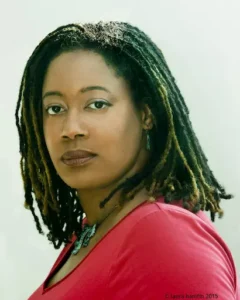
N.K. Jemisin stands at the forefront of today’s diverse sci-fi fantasy writers, celebrated for her extraordinary ability to reshape the very fabric of genre fiction. With her inventive storytelling and intricate worldbuilding, Jemisin challenges what readers expect from epic fantasy. Her groundbreaking The Broken Earth trilogy—comprised of The Fifth Season, The Obelisk Gate, and The Stone Sky—not only won her three consecutive Hugo Awards but also ushered in a new era of representation in genre fiction. Jemisin’s worlds are layered with themes of oppression, resilience, and transformation, where magic is inseparable from the lived realities of her characters.
Jemisin’s narrative approach is as bold as her subject matter. She employs shifting perspectives, nonlinear timelines, and even second-person narration—a rarity in fantasy—to immerse readers fully in her characters’ experiences. This structural innovation doesn’t just dazzle; it invites empathy and introspection, making the emotional journeys deeply personal. By centering marginalized voices and complex identities within her stories, Jemisin offers mirrors for readers who have long been sidelined in traditional fantasy literature.
Her influence on the genre cannot be overstated. Jemisin has sparked important conversations about whose stories get told and how power operates both within fictional worlds and the publishing industry itself. She actively advocates for greater inclusivity, challenging gatekeepers and inspiring a new generation of writers to imagine more expansive futures. Through her work, she demonstrates that representation in genre fiction isn’t just about diversity for its own sake—it’s about enriching the tapestry of storytelling and making room for all kinds of readers to see themselves as heroes.
With every novel, N.K. Jemisin proves that diverse sci-fi fantasy can be both visionary and grounded in real-world struggles. Her books redefine what the genre can achieve. For anyone seeking a richer, more inclusive reading experience, Jemisin’s stories are essential.

Indigenous Futurism and Myth
Rebecca Roanhorse
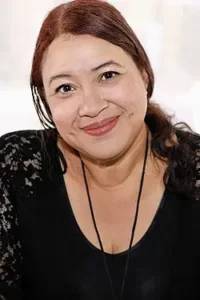
Rebecca Roanhorse stands at the forefront of must-read diverse sci-fi fantasy and speculative fiction, weaving Native American heritage into stories that pulse with both mythic resonance and futuristic possibility. As a trailblazer in Indigenous Futurism—a movement that reimagines science fiction and fantasy through Indigenous perspectives—Roanhorse brings long-overlooked voices and traditions into the heart of genre storytelling. Her debut novel, Trail of Lightning, launches readers into a post-apocalyptic world shaped by Navajo (Diné) legend, where gods and monsters walk alongside mortals. Through fierce protagonist Maggie Hoskie, Roanhorse explores themes of survival, identity, and the reclamation of power, all while honoring the spiritual and cultural influences in fantasy.
What sets Roanhorse apart is her commitment to authentic representation. Rather than treating Indigenous culture as mere window dressing, she intricately weaves traditional beliefs, languages, and community dynamics into her narratives. In Trail of Lightning, for example, Diné language, customs, and cosmology are integral to the plot and character development, offering readers an immersive experience that feels both fresh and deeply rooted. This authenticity not only enriches her worldbuilding but also challenges mainstream fantasy’s historical tendency to appropriate or misrepresent Indigenous cultures.
Roanhorse’s work extends beyond urban fantasy into epic high fantasy with Black Sun, the first book in her acclaimed Between Earth and Sky trilogy. Inspired by pre-Columbian civilizations of the Americas, Black Sun introduces readers to a sprawling cast of characters and a vividly imagined world that draws from Maya, Aztec, and other Indigenous mythologies. Here, Roanhorse crafts intricate political intrigue, celestial prophecies, and dynamic magic systems—all while centering marginalized voices and perspectives rarely seen in traditional epic fantasy.
By championing Indigenous stories and reshaping the boundaries of genre fiction, Rebecca Roanhorse invites readers to question who gets to imagine the future—and whose myths shape our understanding of heroism, power, and belonging. Her novels are a testament to the vitality of cultural influences in fantasy, making them essential reading for anyone seeking to expand their horizons within speculative fiction.
Afrofuturism and Unconventional Narratives
Tade Thompson

Tade Thompson stands at the forefront of diverse sci-fi fantasy authors, celebrated for his genre-bending novels that expertly weave African culture with visionary speculative elements. Born in London to Yoruba parents and raised in Nigeria, Thompson brings a distinctly global perspective to his writing. His acclaimed Rosewater trilogy exemplifies this fusion, transporting readers to a near-future Nigeria where alien technology and societal upheaval collide. By grounding his narratives in authentic African settings and cultural references, Thompson offers an immersive alternative to the Eurocentric landscapes that have long dominated speculative fiction.
What truly sets Thompson apart is his willingness to challenge traditional storytelling structures and expectations. In Rosewater, for example, he eschews linear timelines in favor of a mosaic of perspectives, seamlessly blending elements of noir, mystery, and cyberpunk with Afrofuturist vision. The result is a narrative that feels both innovative and deeply human, exploring themes like colonialism, identity, and the resilience of communities facing the unknown. His works invite readers to question not only what the future might look like but also who gets to shape it.
Thompson’s influence extends beyond his imaginative plots; he actively expands the boundaries of what science fiction can be by introducing readers to new voices, worldviews, and lived experiences. His stories highlight the importance of inclusion—demonstrating how diverse sci-fi fantasy authors can reimagine the genre’s core questions through fresh lenses. Whether he’s tackling issues of environmental change, political corruption, or personal agency, Thompson’s narratives resonate with urgency and depth.
For anyone eager to explore diverse sci-fi fantasy beyond familiar borders, Tade Thompson’s novels are essential reading. Works like Rosewater not only deliver gripping stories but also illuminate the rich possibilities that arise when authors draw from a tapestry of cultures and histories. In doing so, Thompson—and others like him—ensure that the future of speculative fiction is as vibrant and multifaceted as the world itself.
Genre-Bending Storytelling
Silvia Moreno-Garcia

Silvia Moreno-Garcia is a literary chameleon, captivating readers with her remarkable ability to fluidly move between genres while weaving enchanting stories deeply rooted in her Mexican heritage. From Gothic horror to historical fantasy and futuristic noir, her works defy easy categorization, offering readers a refreshing break from formulaic storytelling. Moreno-Garcia’s writing is a testament to the power of imagination unbound by genre constraints, making each new novel an exciting adventure into the unknown.
One of her most celebrated novels, Gods of Jade and Shadow, exemplifies her genre-bending prowess. Set against the backdrop of 1920s Mexico, the story blends Mayan mythology with the glamour and grit of the Jazz Age, following a young woman swept into a mythic journey with the Lord of Xibalba, the Mayan god of death. By reimagining ancient folklore through modern eyes, Moreno-Garcia not only spotlights underrepresented myths but also explores themes of identity, freedom, and self-discovery—universal struggles that resonate across cultures and eras.
Moreno-Garcia’s Mexican heritage is more than just a setting or motif; it forms the heartbeat of her storytelling. Her characters often grapple with cultural expectations, generational divides, and the push-pull between tradition and modernity. Whether she’s delving into the lush supernatural world of Mexican Gothic or crafting dystopian thrillers like The Beautiful Ones, Moreno-Garcia consistently brings marginalized voices to the center stage, giving depth and authenticity to worlds rarely seen in mainstream speculative fiction.
Through her bold experimentation and devotion to culturally rich narratives, Silvia Moreno-Garcia has become a beacon for readers craving originality and diverse sci-fi fantasy. Her stories invite us not only to explore new worlds but also to see our own through different eyes—a powerful reminder that there is magic in every culture and that every voice adds something vital to the tapestry of speculative fiction.
Middle Eastern Myths Reimagined
S.A. Chakraborty

Few diverse sci-fi fantasy authors have so vividly transported readers into worlds inspired by Middle Eastern legends as S.A. Chakraborty. With her critically acclaimed Daevabad Trilogy, Chakraborty weaves Islamic folklore and history into the very fabric of her storytelling, breathing new life into ancient myths. Instead of relying on well-trodden Western fantasy tropes, she draws upon the rich tapestry of djinn lore, desert magic, and the bustling markets of a fantastical Cairo, creating a setting that feels both lushly authentic and thrillingly original.
Chakraborty’s work offers a fresh perspective on magic and society by centering characters who grapple with issues of faith, belonging, and power within a world shaped by centuries of conflict and cultural diversity. Her protagonists, like Nahri—a resourceful con artist with mysterious healing abilities—and Ali—a devout prince torn between duty and justice—navigate complex social hierarchies and shifting allegiances that reflect real-world nuances often absent in mainstream fantasy. Through these characters, Chakraborty explores themes of identity, colonialism, and the gray areas of morality, encouraging readers to question assumptions about heroism and villainy.
The Daevabad Trilogy stands as a testament to how diverse sci-fi fantasy authors can redefine the genre’s boundaries. Each installment—beginning with The City of Brass — immerses readers in political intrigue, heart-stopping adventure, and emotionally resonant journeys of self-discovery. Chakraborty’s deft handling of religious and cultural specificity not only enriches the narrative but also invites readers from all backgrounds to see themselves reflected in fantasy’s grand tapestry.
By reimagining Middle Eastern myths for modern audiences, S.A. Chakraborty has opened doors for more inclusive storytelling and inspired countless fans to seek out worlds beyond the familiar. Her success underscores the importance of championing diverse sci-fi fantasy authors who draw from their own histories and traditions, ultimately making the genre stronger, more vibrant, and universally welcoming.
Embracing a New Era of Sci-Fi Fantasy
As the landscape of speculative fiction continues to evolve, diverse sci-fi fantasy authors are leading the charge toward a richer and more vibrant future for the genre. By seeking out stories from voices that have long been underrepresented, readers can unlock new worlds, fresh perspectives, and narratives that challenge conventional boundaries. Whether you’re drawn to epic worldbuilding, cultural mythology, or bold reimaginings of history, these authors offer experiences that are as thought-provoking as they are entertaining.
Supporting and celebrating diverse sci-fi fantasy authors isn’t just about representation—it’s about expanding the very horizons of our imaginations. These storytellers are redefining what science fiction and fantasy can be, ensuring that the genre reflects the complexity and beauty of our world. By embracing inclusive storytelling, we not only honor the authors who are shaping the future but also inspire a new generation of readers and writers to dream bigger and bolder than ever before.
~ J.S. Hood
Other LitStack Resources
Be sure and look at our other LitStack Recs for our recommendations on books you should read. Also take a look at our LitStack Reviews, including reviews by Lewis Buzbee, Lauren Alwan, Allie Coker, Rylie Fong, and Sharon Browning.
As a Bookshop, Malaprop’s, BAM, Barnes & Noble, Audiobooks.com, Amazon, and Envato affiliate, LitStack may earn a commission at no cost to you when you purchase products through our affiliate links.